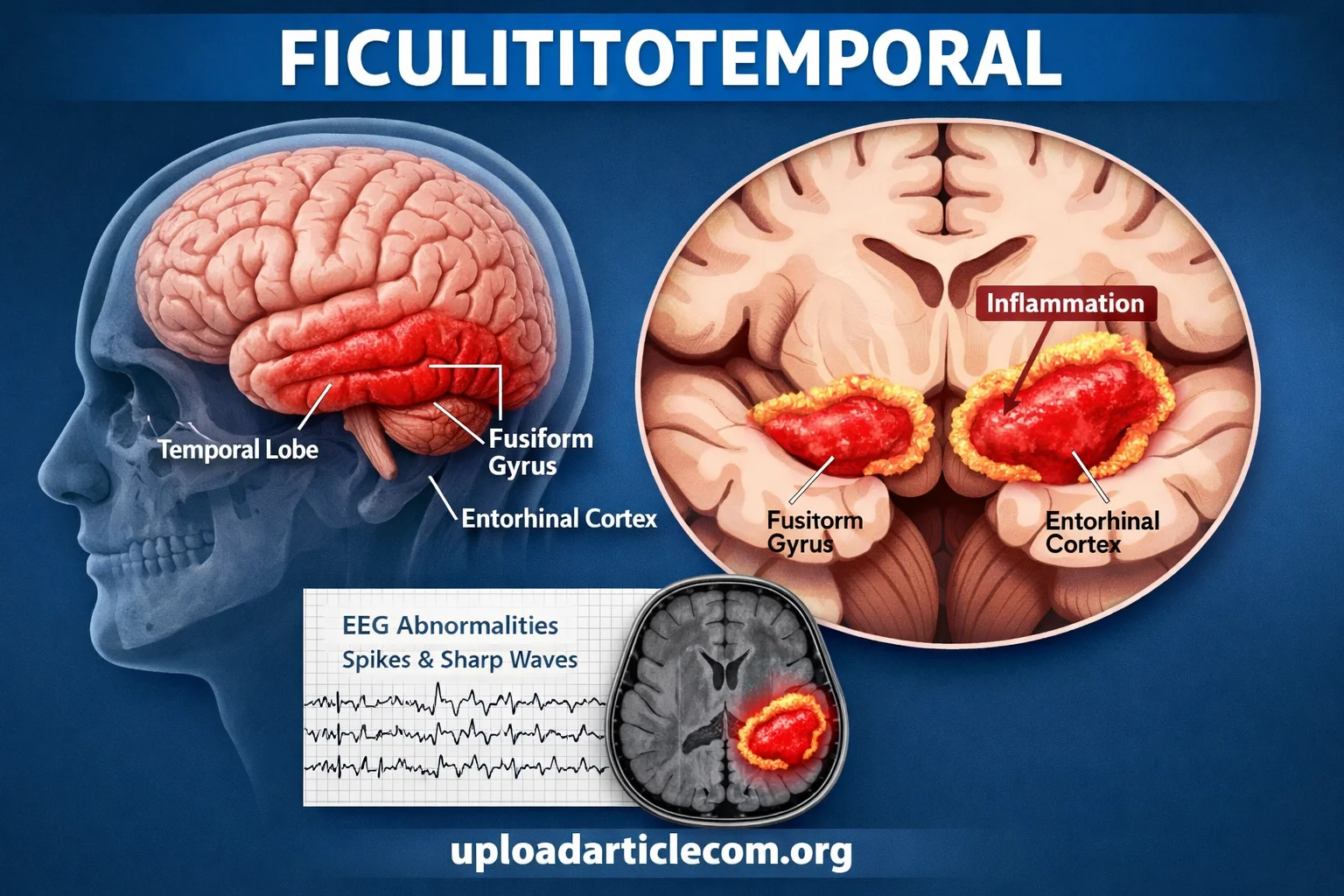
Understanding the Concept of Ficulititotemporal
The term ficulititotemporal is unusual and not widely recognized in mainstream academic, medical, or technological dictionaries. However, complex terms like this often emerge in niche discussions, experimental theories, or newly coined conceptual frameworks. When broken down linguistically, the word appears to combine elements suggesting structure, process, and time-related dynamics, which hints at a concept that deals with how systems evolve across temporal dimensions.
In analytical contexts, ficulititotemporal can be interpreted as a theoretical framework describing how interconnected components behave when influenced by time-sensitive variables. This could apply to fields such as psychology, neuroscience, organizational behavior, or even data systems. Essentially, it suggests that nothing exists in isolation; instead, outcomes are shaped by layered interactions unfolding over time.
Another useful way to understand l is to treat it as a model of temporal complexity. Rather than focusing on single moments, the concept emphasizes sequences, transitions, and accumulated effects. This perspective is increasingly relevant in modern research and professional practice, where long-term patterns often matter more than isolated events.
The Linguistic and Theoretical Roots Behind the Term
Although ficulititotemporal is not a classical term, examining its structure offers insight into its potential meaning. Words ending in “temporal” usually relate to time, duration, or timing of events. The preceding segments of the term suggest layers or processes, possibly referencing interaction or development.
From a linguistic standpoint, newly formed compound terms often arise when existing vocabulary fails to capture emerging ideas. For instance, in research environments, professionals frequently combine prefixes and suffixes to label new theories, models, or analytical approaches. could therefore represent a conceptual attempt to describe multi-layered time-based behavior within a system.
Theoretical terminology like this also reflects a broader trend in interdisciplinary thinking. Modern fields increasingly overlap: psychology intersects with technology, biology overlaps with data science, and management theory incorporates behavioral insights. A term such as fits naturally into this landscape because it suggests integration rather than isolation.
How Ficulititotemporal Applies to Human Behavior
One of the most practical ways to understand ficulititotemporal thinking is through human behavior. People rarely make decisions based on a single moment; instead, choices are influenced by past experiences, present circumstances, and expectations about the future. A ficulititotemporal perspective examines behavior as a timeline-driven process, not a snapshot.
For example, consider professional growth. A person’s success at work is not determined solely by talent or effort on a given day. Instead, it results from accumulated learning, evolving relationships, changing opportunities, and long-term strategic decisions. This layered progression aligns perfectly with a interpretation of development.
The same logic applies to emotional patterns. Habits, fears, motivations, and confidence levels all emerge from repeated experiences over time. By adopting a lens, psychologists or coaches can better understand how gradual influences shape present actions and future outcomes.
The Role of Ficulititotemporal Thinking in Technology and Data Systems
In the world of technology, time-based complexity is a critical factor. Software systems, machine learning models, and digital platforms all rely on sequences of data rather than isolated inputs. A framework helps describe how these systems evolve, adapt, and respond over extended periods.
Take predictive analytics as an example. Modern algorithms analyze historical data, detect patterns, and project future behavior. The accuracy of these predictions depends on recognizing temporal relationships—how earlier events influence later ones. This layered, time-sensitive analysis embodies the essence of reasoning.
Similarly, cybersecurity strategies benefit from this approach. Threat detection often relies on tracking behavior patterns across time rather than spotting a single suspicious action. A gradual buildup of anomalies might indicate a serious issue. Viewing systems through a ficulititotemporal lens encourages professionals to focus on progression and correlation, not just immediate signals.
Ficulititotemporal Perspectives in Organizational Strategy
Organizations constantly operate within shifting timelines: market trends change, consumer expectations evolve, and internal processes mature. Leaders who adopt a mindset understand that decisions should be evaluated not only for immediate impact but also for their long-term ripple effects.
For instance, investing in employee training may reduce short-term profits but significantly improve long-term productivity and retention. From a purely immediate perspective, the decision might seem costly. However, analysis reveals the broader timeline of benefits, making the investment strategically sound.
This perspective also improves crisis management. Problems rarely appear suddenly; they usually develop through a sequence of small signals and overlooked indicators. By examining historical patterns and anticipating future trajectories, organizations can act proactively rather than reactively. In this way, ficulititotemporal thinking becomes a practical leadership tool rather than just an abstract concept.
Why the Ficulititotemporal Approach Matters in Modern Research
Research methodologies today increasingly emphasize longitudinal studies—projects that observe subjects or systems over extended periods. This shift reflects a growing recognition that meaningful insights often emerge only when time-based dynamics are considered.
A ficulititotemporal approach strengthens research by encouraging scholars to track change, continuity, and interaction across time. Instead of analyzing isolated data points, researchers can examine trends, turning points, and cycles. This leads to more nuanced conclusions and more reliable predictions.
Additionally, interdisciplinary studies benefit from this model because time serves as a universal dimension across all fields. Whether studying climate patterns, human cognition, economic markets, or technological adoption, temporal relationships play a central role. thinking offers a conceptual bridge that connects these diverse areas of study.
Practical Ways to Apply Ficulititotemporal Thinking in Everyday Life
While the term may sound academic, its principles can be applied in everyday decision-making. One simple method is to evaluate choices across three timelines: past influences, present conditions, and future consequences. This structured reflection naturally introduces a ficulititotemporal dimension to personal planning.
For example, when considering a career change, it helps to examine how past skills prepare you for new opportunities, how current circumstances support or limit the transition, and how the decision may shape your long-term goals. This timeline-based approach leads to more balanced and informed choices.
The same strategy can improve financial planning, health habits, and relationship management. Recognizing that small daily actions accumulate into significant long-term outcomes encourages consistency and patience. In essence, ficulititotemporal thinking promotes a mindset focused on progression rather than instant results.
The Future Potential of the Ficulititotemporal Concept
As knowledge fields continue to merge and complexity increases, concepts like ficulititotemporal are likely to gain relevance. The modern world generates massive streams of time-based data—from wearable health devices to global economic indicators. Understanding how these data points interact over time is essential for making accurate predictions and informed decisions.
Future academic work may formalize this term or introduce similar frameworks to describe time-layered interactions in complex systems. Whether applied in neuroscience, artificial intelligence, education, or leadership theory, the core principle remains consistent: time shapes outcomes as much as structure or action.
Ultimately, the value of the idea lies in its ability to shift perspective. Instead of asking, “What is happening now?” it encourages us to ask, “How did we get here, and where is this trajectory leading?” That broader viewpoint leads to deeper understanding, smarter planning, and more sustainable progress.
Conclusion
Ficulititotemporal may not yet be a standard dictionary term, but its implied meaning captures an important modern insight: systems, behaviors, and decisions cannot be fully understood without considering how they evolve across time. By emphasizing layered interactions, historical context, and future implications, the concept offers a powerful lens for analyzing both personal and professional challenges.
Whether applied to human psychology, organizational strategy, technological systems, or daily life choices, thinking encourages patience, depth, and long-term awareness. In a fast-paced world that often prioritizes immediate results, this perspective reminds us that meaningful outcomes are usually the product of consistent processes unfolding over time.