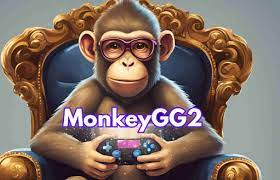
Introduction to Monkey GG2
Monkey GG2 If you have been spending time in online gaming circles or browsing through emerging digital communities, chances are you have come across the term “Monkey GG2.” At first glance, it might sound like just another quirky internet name, but there is more depth to it than meets the eye. has steadily built curiosity around its identity, functionality, and cultural significance in the gaming and digital entertainment world.
The phrase itself carries a blend of playful branding and competitive undertones. “Monkey” evokes agility, energy, and fun, while “GG” is a well-known abbreviation in gaming culture for “good game.” The addition of “2” suggests evolution, improvement, or a second-generation platform. When combined, Monkey GG2 feels like a reimagined or upgraded digital experience crafted for a modern audience.
In this article, we will explore from multiple angles: its origins, its impact on gaming culture, its potential use cases, community engagement, and what the future may hold. Whether you are a casual gamer, a content creator, or simply curious about trending digital platforms, this comprehensive breakdown will help you understand why is gaining attention.
The Origins and Evolution of Monkey GG2
Every digital concept has a backstory, and Monkey GG2 is no exception. While the exact origins may vary depending on context, the branding suggests that it is either an upgraded version of an earlier “Monkey GG” platform or a sequel-style iteration of an existing system. In tech and gaming culture, the number “2” often signals refinement—better performance, improved design, and enhanced user experience.
The evolution from an initial version to GG2 implies growth driven by user feedback and market demand. Platforms that succeed in the gaming ecosystem often do so by listening to their communities. If followed this path, it likely integrated better features, smoother interfaces, and stronger performance metrics compared to its predecessor.
Moreover, the timing of its emergence aligns with the broader growth of competitive online gaming and digital social platforms. The modern gamer expects not just gameplay but also social connectivity, streaming compatibility, ranking systems, and real-time engagement. Monkey GG2 appears positioned to meet these evolving demands.
Core Features and Functional Appeal

One of the most compelling aspects of Monkey GG2 lies in its functional structure. Successful gaming-related platforms generally revolve around performance, community, and accessibility. seems to embody all three pillars in its conceptual framework.
First, performance. Any system associated with gaming must prioritize speed, responsiveness, and reliability. Lag-free interaction, seamless matchmaking, and optimized server connectivity are not luxuries—they are necessities. ikely focuses on delivering stable digital performance, which is critical in competitive environments where milliseconds matter.
Second, accessibility. The digital audience today spans across devices, from high-end gaming PCs to mobile smartphones. Platforms that adapt across ecosystems tend to thrive. ’s branding suggests a modern, adaptable approach that fits into various user environments without heavy technical barriers.
Third, engagement. A platform’s long-term survival depends on how effectively it builds and maintains a community. Features such as leaderboards, chat systems, customizable profiles, and achievement tracking can significantly enhance user retention. Monkey GG2 appears designed with these interactive layers in mind, making it more than just a tool—it becomes an experience.
Monkey GG2 and Modern Gaming Culture
To truly understand Monkey GG2, you have to place it within the broader context of gaming culture. The term “GG” is deeply embedded in competitive gaming. It represents sportsmanship, mutual respect, and the end-of-match ritual shared by players worldwide. Associating a platform with this phrase automatically connects it to the competitive gaming community.
Modern gaming culture thrives on identity and community. From esports tournaments to live streaming platforms like Twitch and video ecosystems such as YouTube, players seek spaces where they can showcase skills and build digital reputations. Monkey GG2 potentially fits into this ecosystem as a complementary service or hub that enhances player interaction.
Furthermore, gaming has shifted from being a solitary hobby to a social movement. Games like Fortnite and Call of Duty: Warzone demonstrate how competition and collaboration coexist in online spaces. appears to align with this culture of shared experiences and community-driven engagement.
User Experience and Interface Design
Design plays a pivotal role in digital success. No matter how powerful the backend system may be, if the interface feels cluttered or confusing, users will disengage quickly. Monkey GG2 likely emphasizes clean design, intuitive navigation, and visually appealing elements that resonate with younger, tech-savvy audiences.
Modern UI trends favor minimalism combined with bold branding. Bright accent colors, animated transitions, and streamlined dashboards are common in gaming-related platforms. If follows these standards, it positions itself as both functional and visually dynamic.
Another key factor is personalization. Gamers value identity. Custom avatars, profile badges, ranking symbols, and performance stats create a sense of ownership and pride. potential integration of these features would strengthen emotional attachment to the platform, encouraging long-term loyalty.
Competitive Advantage in a Crowded Market
The digital gaming market is highly competitive. Platforms must offer a clear differentiator to stand out. Monkey GG2’s name alone suggests playfulness combined with competitive spirit, but branding is only one part of the equation.
A strong competitive advantage could lie in specialized features—perhaps advanced matchmaking algorithms, integrated analytics dashboards, or AI-driven performance tracking. Tools that allow gamers to analyze gameplay patterns, compare stats, and improve strategies can significantly elevate a platform’s value.
Another advantage may be niche targeting. Instead of attempting to serve all gamers, might focus on a specific segment—casual competitive players, indie game enthusiasts, or regional esports communities. Targeted ecosystems often create stronger loyalty than overly broad platforms.
Community Building and Social Interaction
Community is the backbone of any successful gaming-related initiative. potential lies not only in technology but also in how it fosters connection among users. Interactive forums, tournament hosting, and collaborative features can turn passive users into active contributors.
Digital communities flourish when users feel heard. Feedback systems, suggestion boards, and transparent updates build trust. If Monkey GG2 integrates these components effectively, it positions itself as a user-centric platform rather than a top-down corporate tool.
Moreover, social sharing integration can amplify growth. Allowing users to share achievements directly to social platforms encourages organic marketing. In today’s digital world, community-driven promotion often outperforms traditional advertising.
The Future Potential of Monkey GG2
Looking ahead, Monkey GG2 holds significant potential if it continues to innovate. The gaming landscape is rapidly evolving, with trends such as cloud gaming, virtual reality, and AI-enhanced gameplay shaping the next decade.
Integration with cloud-based systems could allow users to access Monkey GG2 services without heavy downloads or hardware limitations. Similarly, incorporating AI analytics could help players improve performance through personalized insights and strategy recommendations.
The platform could also expand into esports event hosting or collaborative partnerships with developers. By aligning with emerging trends, could transition from being a supportive tool to becoming a central hub in competitive gaming ecosystems.
Final Thoughts on Monkey GG2
Monkey GG2 represents more than just a catchy name. It symbolizes evolution, engagement, and the playful competitiveness that defines modern gaming culture. While its exact implementation may vary, the conceptual strength lies in its alignment with performance, community, and innovation.
In a digital age where attention spans are short and competition is fierce, platforms must deliver value consistently. appears to embrace this challenge by blending entertainment with functionality. Its growth will ultimately depend on user adoption, feature refinement, and its ability to adapt to shifting industry trends.
As gaming continues to expand globally, platforms like will play a critical role in shaping how players connect, compete, and collaborate. Whether you are an experienced gamer or someone just stepping into the digital arena, keeping an eye on might be well worth your time.