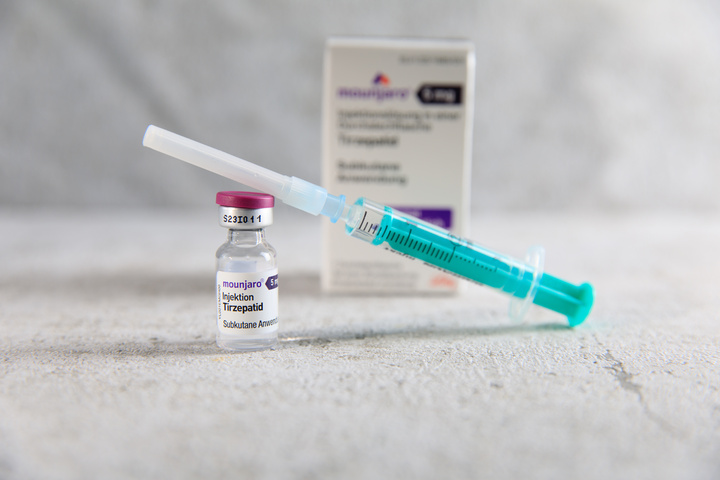
Understanding Mounjaro and How Its Injection System Works
Mounjaro Needles is an injectable prescription medication used primarily for managing type 2 diabetes and, in many cases, supporting medically supervised weight loss. Developed by Eli Lilly and Company, it contains tirzepatide, a compound that targets hormones involved in blood sugar control and appetite regulation. Because it’s delivered through a subcutaneous injection, many people search for information about “Mounjaro Needles” before starting treatment.
The first thing to understand is that Mounjaro Needles typically comes in a prefilled, single-use injection pen. Unlike traditional syringes where you see and handle the needle directly, this pen system is designed to be simple and discreet. The needle is very small and often hidden inside the device, which helps reduce anxiety for first-time users. For most patients, the injection process feels more like pressing a button than using a conventional needle.
This delivery system was designed to meet safety and usability standards approved by the U.S. Food and Drug Administration. The goal is to minimize dosing errors and make self-injection manageable at home. Understanding how the needle works inside the pen helps remove much of the fear people associate with injectable medications.
What Makes Mounjaro Needles Different From Traditional Syringes
One of the biggest differences between Mounjaro needles and traditional injection needles is size and visibility. The needles used in the pen are ultra-fine and short, usually designed for subcutaneous injections just beneath the skin rather than into muscle. This makes them far less painful than the larger needles often associated with vaccines or blood draws.
Another key distinction is automation. With standard syringes, you must measure medication, insert the needle manually, and push the plunger yourself. With the Mounjaro Needles pen, the needle insertion and medication delivery happen automatically once you press the injection button. This reduces the chance of user error and ensures consistent dosing every time.
There’s also a psychological advantage. Because the needle is hidden, many patients report less anxiety compared to seeing a traditional syringe. For people who previously avoided injectable medications due to needle fear, this design often makes treatment feel approachable and routine rather than intimidating.
How to Use Mounjaro Needles Safely and Correctly
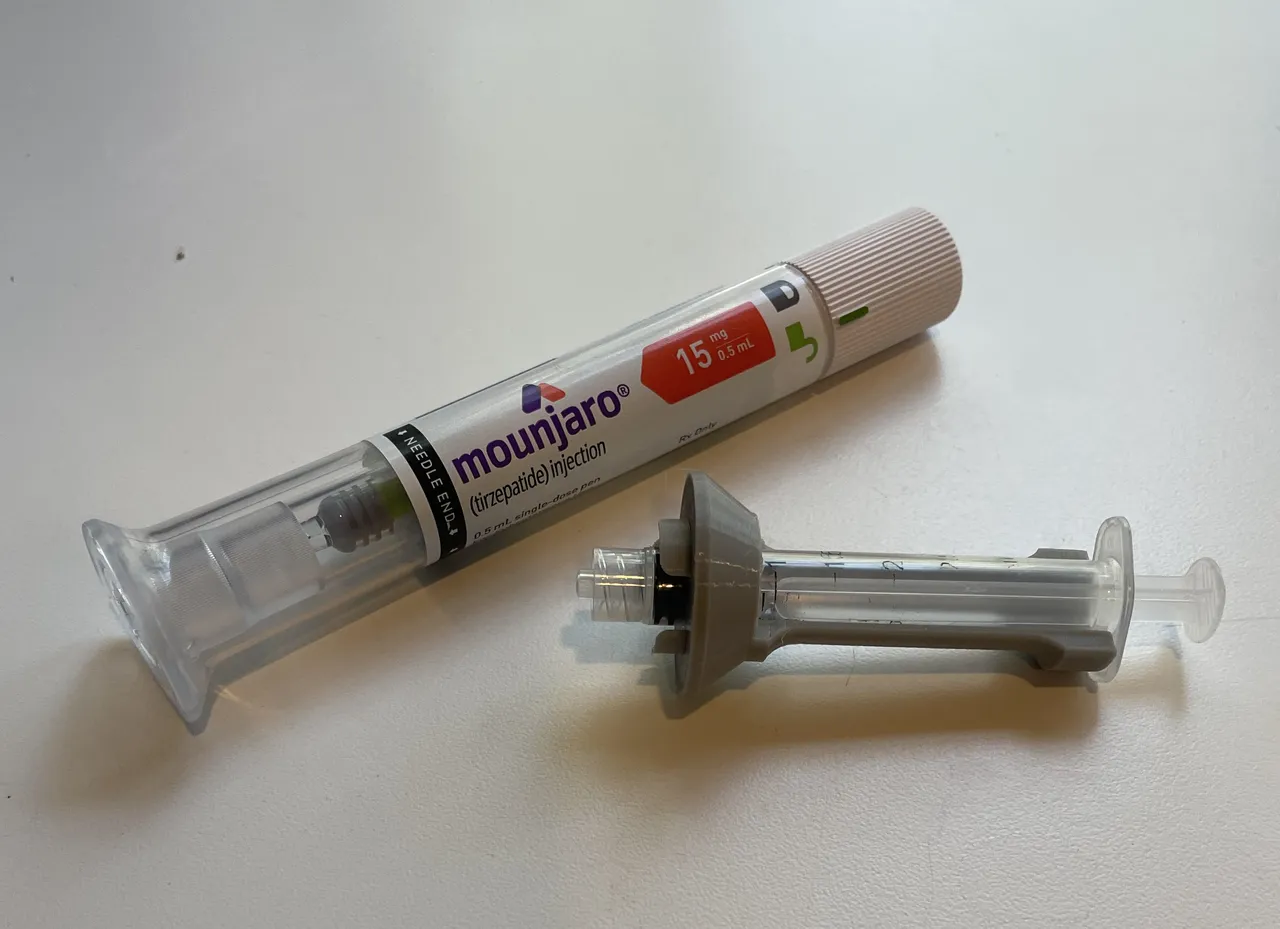
Proper injection technique is essential for both safety and effectiveness. Mounjaro Needles is typically injected once weekly into areas such as the abdomen, thigh, or upper arm. Rotating injection sites each week helps prevent skin irritation, bruising, or the development of small lumps under the skin.
Before injecting, it’s important to inspect the pen and medication. The liquid should appear clear and free from particles. Wash your hands, clean the injection site with an alcohol swab, and allow it to dry completely. These simple hygiene steps greatly reduce the risk of infection or skin irritation.
After pressing the pen firmly against the skin and activating it, you usually need to hold it in place for several seconds to ensure the full dose is delivered. Once complete, the pen should be disposed of safely in a sharps container. Never reuse the device or attempt to access the internal needle, as it is designed strictly for single use.
Does the Mounjaro Injection Hurt? What Patients Really Experience
A common concern is whether Mounjaro needles cause pain. Most users describe the sensation as minimal — often less noticeable than a finger prick. Because the needle is extremely thin and designed for shallow injection, discomfort tends to be brief and mild.
That said, individual experiences vary. Some people feel a small pinch, while others notice mild burning if the medication is injected too quickly or while still cold from refrigeration. Letting the pen sit at room temperature for about 30 minutes before injection often improves comfort significantly.
Skin sensitivity can also affect how the injection feels. Injecting into scar tissue, bruised areas, or spots used repeatedly may increase discomfort. Rotating sites and using relaxed, steady pressure usually keeps the experience quick and manageable for most patients.
Common Side Effects Related to Injection Sites
While Mounjaro Needles is generally well tolerated, some injection-site reactions can occur. The most common include mild redness, itching, swelling, or tenderness where the needle entered. These effects are typically short-lived and resolve within a few hours or days.
Occasionally, patients develop small lumps under the skin. This often happens when injections are repeatedly given in the same location. These lumps are usually harmless but can be avoided by rotating sites weekly. Gentle skin care and proper injection technique significantly reduce this risk.
If you notice persistent swelling, severe pain, warmth, or signs of infection such as pus or fever, it’s important to contact a healthcare provider promptly. Though rare, these symptoms require medical attention to rule out infection or allergic reaction.
Tips for First-Time Users Who Feel Nervous About Mounjaro Needles
Starting any injectable medication can feel overwhelming at first. A helpful approach is to practice the process step by step before your first injection day. Reading the instructions carefully and watching demonstration videos from healthcare providers can build confidence quickly.
Many patients find it useful to choose a consistent weekly schedule, such as injecting on Sunday evening or Monday morning. Making the injection part of a routine helps reduce stress and prevents missed doses. Keeping your supplies in one clean, organized place also simplifies the process.
If needle anxiety is strong, relaxation techniques can help. Taking a slow breath, relaxing your shoulder or stomach muscles, and focusing on pressing the pen firmly rather than anticipating the needle often makes the injection feel almost effortless. Most users report that after two or three weeks, the process becomes second nature.
Storage, Disposal, and Handling of Mounjaro Needles Pens
Proper storage ensures the medication remains effective. Mounjaro Needles pens should usually be kept in the refrigerator but protected from freezing. If needed, they can typically remain at room temperature for a limited time, according to prescribing guidelines, which can make travel or daily use easier.
Disposal is equally important. Because each pen contains a concealed needle, it must be placed in a sharps container immediately after use. Never throw it directly into household trash or recycling. Many pharmacies and clinics offer sharps disposal programs if you don’t already have a container at home.
Handling the pen carefully also prevents accidental activation or damage. Avoid shaking the pen, exposing it to extreme heat, or using it past its expiration date. These precautions help maintain both safety and medication effectiveness throughout your treatment.
Final Thoughts: Why Understanding Mounjaro Needles Matters
Learning about Mounjaro needles isn’t just about curiosity — it directly affects treatment success and comfort. Knowing how the injection system works, how to use it properly, and what sensations to expect removes much of the uncertainty that new patients feel.
The modern pen design represents a significant improvement over traditional syringes, offering simplicity, safety, and minimal discomfort. For many people, this ease of use makes it much more realistic to stay consistent with long-term therapy, which is essential for managing blood sugar and supporting metabolic health goals.
Ultimately, confidence comes with experience. Once you understand the design, follow correct injection steps, and build a routine, the weekly injection often becomes just another quick part of self-care — simple, controlled, and far less intimidating than most people expect.