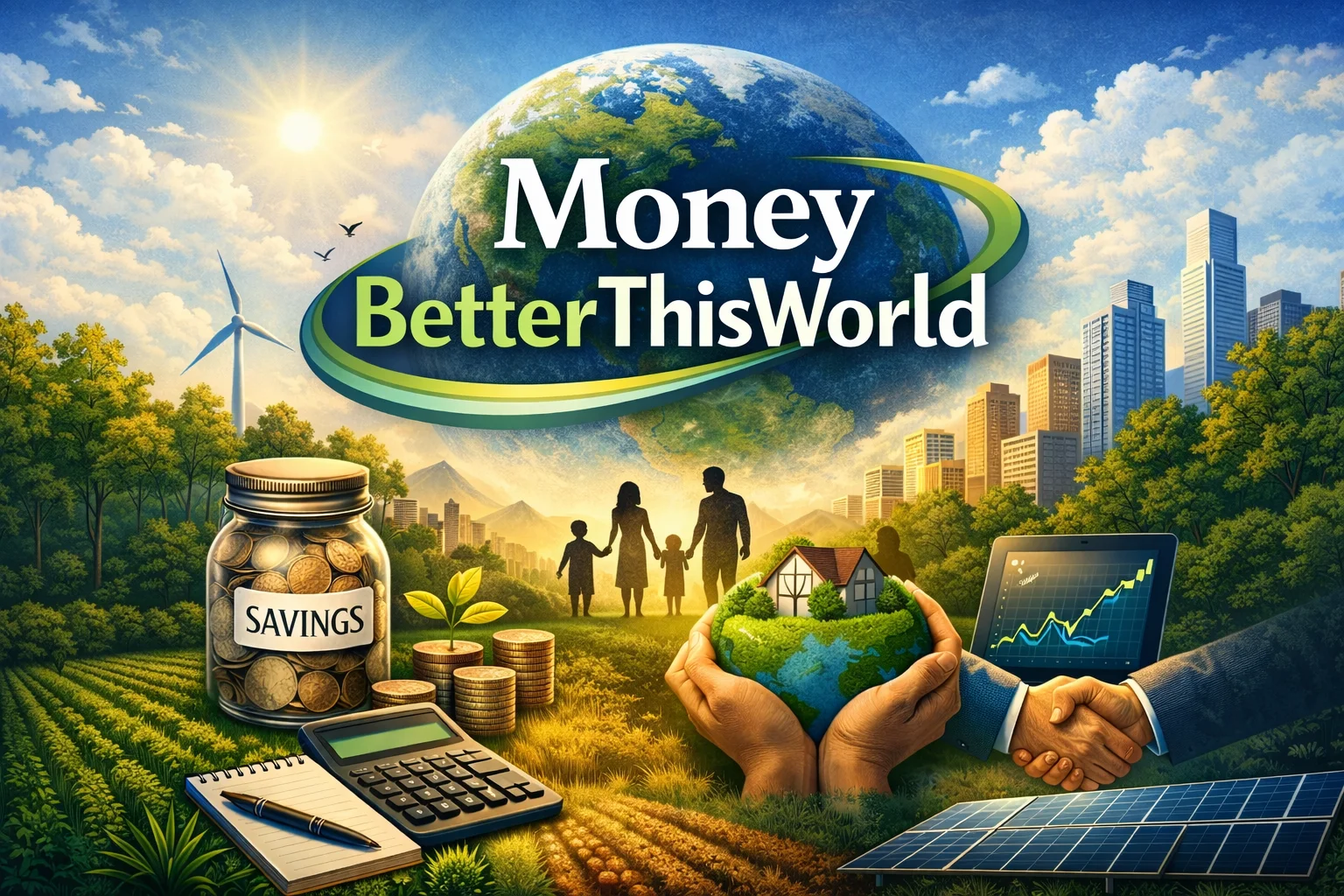
In today’s fast-moving digital economy, Money BetterThisWorld is no longer just about paying bills or stacking savings. It has become a powerful tool for influence, change, and long-term impact. The phrase “money betterthisworld” reflects a growing mindset: using financial resources not just for personal gain, but to create a better, more sustainable world.
This concept blends financial intelligence with social responsibility. It challenges the traditional view that wealth exists only for consumption or status. Instead, it pushes the idea that money—when managed strategically—can improve lives, support innovation, and solve real-world problems.
In this article, we’ll break down what “money betterthisworld” truly represents, how financial decisions shape global outcomes, and how individuals can align wealth-building with meaningful impact.
Understanding the Concept of Money BetterThisWorld
At its core, “money betterthisworld” is about intention. Money itself is neutral; it’s neither good nor bad. What defines its value is how it’s earned, managed, and distributed. When finances are directed toward positive goals—education, healthcare, sustainability, ethical business—they become a force for improvement rather than simple accumulation.
In recent years, more people have started questioning traditional financial success. Is success just about having more, or is it about doing more? Investors, entrepreneurs, and even everyday earners are realizing that financial growth can coexist with social responsibility. This shift has given rise to impact investing, conscious consumerism, and purpose-driven entrepreneurship.
The modern financial landscape makes this easier than ever. Technology allows individuals to support global causes instantly, invest in sustainable funds, and fund startups that solve climate, health, or social inequality challenges. “Money betterthisworld” represents this new financial awareness—where profit and purpose are not opposites, but partners.
The Evolution of Money BetterThisWorld: From Survival to Impact

Historically, Money BetterThisWorld was about survival. Early economies revolved around trade for necessities—food, shelter, and security. Over time, as societies advanced, money became a measure of power and influence. Wealth determined access to resources, political control, and societal standing.
However, in the 21st century, money has evolved again. Today, it represents opportunity and leverage. One strategic investment can fund renewable energy. One well-supported startup can transform healthcare access. One philanthropic initiative can lift entire communities out of poverty. The shift is subtle but powerful: money now has scalable impact.
Digital finance has accelerated this evolution. Crowdfunding platforms allow people to contribute to life-changing ideas. Microfinance empowers small entrepreneurs in developing regions. Cryptocurrency and decentralized finance are redefining ownership and access. Each innovation expands how money can better the world, making global participation more accessible than ever.
Financial Responsibility in a Connected World
In a globally connected economy, every financial decision has ripple effects. When you invest in a company, you support its business practices. When you buy a product, you endorse its supply chain. When you save in a bank, you indirectly contribute to how that bank lends capital.
Understanding this interconnectedness is crucial to the “Money BetterThisWorld” philosophy. Financial responsibility goes beyond budgeting or saving—it includes awareness of impact. Ethical investing, for example, considers environmental, social, and governance (ESG) factors. This approach evaluates not just profitability, but long-term sustainability and social contribution.
Consumers are becoming more informed and selective. They prefer brands that reduce carbon footprints, support fair wages, and operate transparently. This shift pressures corporations to improve their standards. In this way, individual financial decisions collectively influence global corporate behavior.
Building Wealth with Purpose
Many people assume that building wealth and supporting social good are conflicting goals. In reality, they can reinforce each other. Purpose-driven businesses often attract loyal customers, motivated employees, and long-term investors. Sustainable practices reduce risks associated with regulation and environmental damage.
Entrepreneurs are increasingly designing businesses around impact. Whether it’s renewable energy startups, education technology platforms, or health innovation companies, profitability and positive change go hand in hand. Investors recognize that solving major global challenges can also generate significant returns.
On a personal level, building wealth with purpose might involve allocating a percentage of income toward charitable initiatives, investing in socially responsible funds, or mentoring small business owners. Even small contributions compound over time, both financially and socially.
The Role of Financial Education
One of the most overlooked components of “Money BetterThisWorld” is financial literacy. Without understanding how money works, it’s difficult to use it effectively. Budgeting, investing, debt management, and long-term planning are foundational skills that empower individuals to create impact.
Financial education reduces inequality. When people understand credit, savings strategies, and investment opportunities, they can break cycles of poverty. Knowledge transforms money from a stressful burden into a strategic asset.
Schools, online platforms, and community programs play an essential role in spreading financial literacy. The more informed individuals become, the more intentional their financial decisions will be. And when millions of people make informed, purpose-driven choices, the collective impact becomes significant.
Technology and the Democratization of Impact
Technology has removed many barriers that once limited financial influence to the wealthy elite. Today, someone with a smartphone can invest in global markets, donate to international charities, or fund social enterprises.
Fintech platforms allow micro-investments, enabling people to start with small amounts. Crowdfunding websites empower communities to support local initiatives. Blockchain technology increases transparency in transactions, ensuring funds reach intended recipients.
This democratization means that improving the world through money is no longer exclusive to billionaires. Everyday individuals now have tools to participate in impact-driven finance. The power of collective small actions can rival traditional large-scale philanthropy.
Ethical Challenges and Realistic Expectations
While the “Money BetterThisWorld” idea is inspiring, it’s important to remain realistic. Not every investment labeled as ethical truly creates meaningful change. Greenwashing—where companies exaggerate sustainability efforts—remains a concern.
Careful research and due diligence are essential. Investors and consumers should evaluate data, certifications, and transparency reports before making decisions. Blind trust can undermine the very impact one hopes to create.
Moreover, money alone cannot solve every problem. Systemic issues often require policy reform, cultural shifts, and collaborative efforts. Financial contributions are powerful tools, but they must work alongside broader societal strategies.
Personal Action Plan: Turning Money BetterThisWorld into Meaning
Understanding the philosophy is one thing; implementing it is another. Here are practical steps individuals can take:
First, evaluate spending habits. Support businesses aligned with ethical practices. Small purchasing decisions collectively influence markets.
Second, diversify investments to include sustainable or impact-focused funds. Many financial institutions now offer ESG portfolios designed for long-term growth and responsibility.
Third, commit to continuous learning. Stay informed about economic trends, global challenges, and emerging financial tools. Knowledge amplifies effectiveness.
Lastly, think long-term. Meaningful impact often takes time. Sustainable investing and community development do not deliver overnight results, but their benefits compound over years.
The Future of Money BetterThisWorld
The future of finance is increasingly purpose-driven. Younger generations, particularly Millennials and Gen Z, prioritize values alongside returns. They expect transparency, sustainability, and accountability from financial institutions and corporations.
As climate change, inequality, and technological disruption reshape global priorities, money will remain a central lever of change. Governments, businesses, and individuals will need to align financial strategies with sustainable development goals.
“Money betterthisworld” is not just a trend—it is a reflection of evolving global consciousness. It signals a shift from wealth as status to wealth as responsibility.
Conclusion
Money has always been powerful, but today its potential reaches further than ever before. The concept of Money BetterThisWorld encourages us to rethink how we earn, invest, spend, and give. It reminds us that financial growth does not have to come at the expense of ethics or sustainability.
By combining financial intelligence with purposeful action, individuals can transform money from a personal asset into a global catalyst. The tools are available, the awareness is growing, and the opportunity is real.
In the end, the true measure of wealth may not be how much we accumulate, but how effectively we use it to build a better world.